Stimming
Do You Ever...?
Do you ever…
- Tap your pencil, bounce your leg, hum, or play with your sleeves without even thinking about it?
- Feel calmer or more focused when you’re moving, chewing, or fiddling with something?
That’s called stimming (short for self-stimulation).
What is it?
Stimming is when you do repetitive movements or sounds to:
- Calm your body
- Help your brain focus
- Handle big feelings or too much sensory input
Examples:
- Tapping, bouncing, rocking
- Doodling, spinning things, clicking pens
- Humming, repeating sounds
- Playing with hair, pulling at sleeves or strings
Lots of neurodivergent people (ADHD, autism, anxiety, etc.) stim. It’s one way your brain and body try to keep things feeling “just right.”
Why does this happen?
Your nervous system might be:
- Under-stimulated (you’re bored or tired) → your body creates extra input
- Over-stimulated (too loud, too bright, too much) → movement or repetition helps you feel safe and organized
Stimming can help with:
- Focus during boring tasks
- Calming down when anxious or overwhelmed
- Expressing joy or excitement (happy flapping, bouncing, etc.)
What can I do?
Notice which stims help
Pay attention: after tapping, rocking, or chewing, do you feel calmer or more focused? Those are helpful stims.
Find “quiet” or school-friendly stims
Things like:
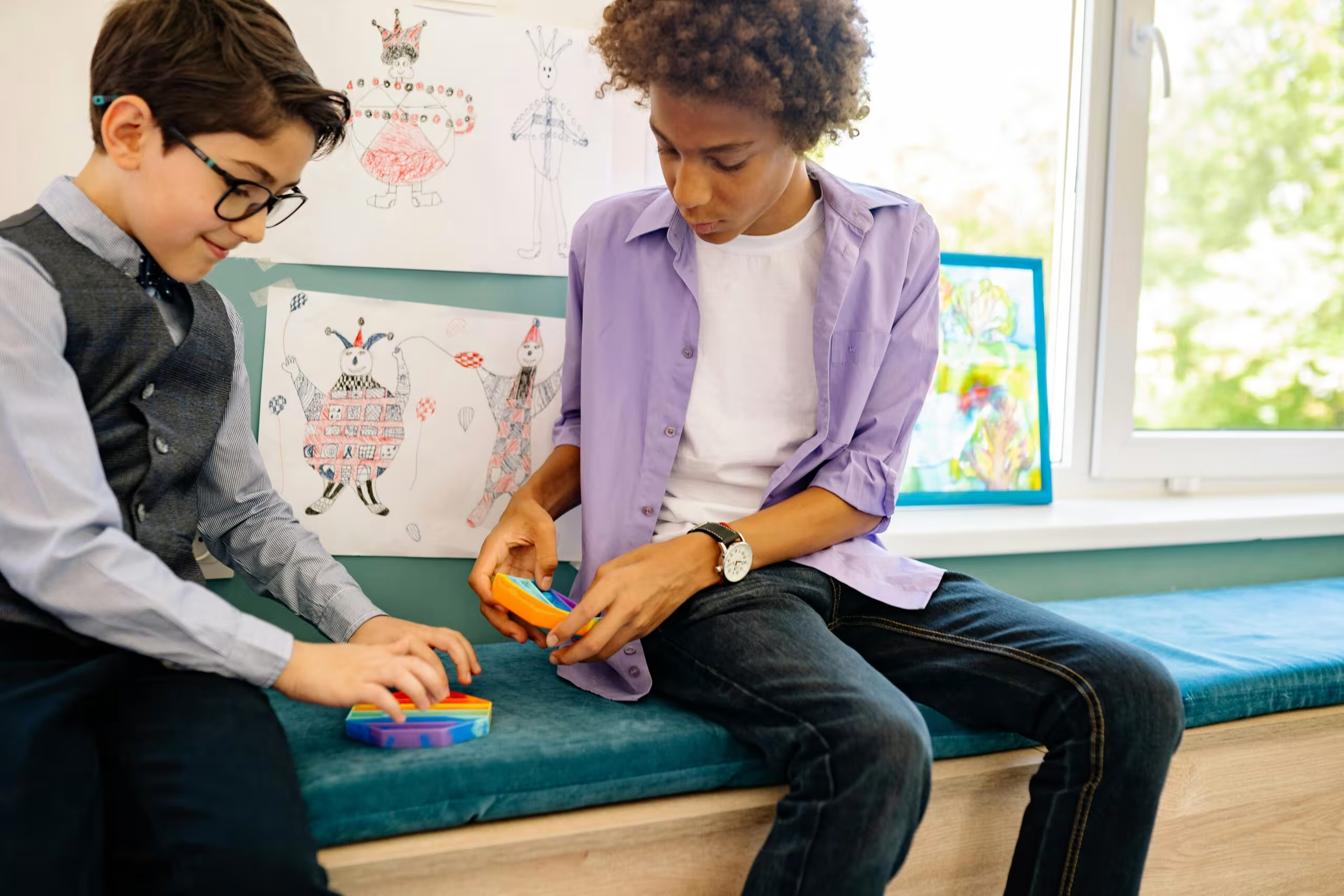
- Fidget toys that don’t make noise
- Tapping toes instead of pens
- Chewing gum (if allowed) or chewable jewelry
- Doodling in the margins while listening
- Pop fidget sensory toys
Make agreements with adults
You can say: “Moving or fidgeting helps my brain focus. Can we find a way I can do it that doesn’t bother others?” Then pick stims that work for everyone!
Remember: stimming isn’t bad
You don’t have to “grow out of it.” The goal is to make it work for you and the people around you, not to erase it.
Fun Fact!
A fascinating fact about stimming in people with ADHD is that it can actually help the brain achieve optimal focus and attention. Far from being a distraction, these repetitive movements or sounds are an unconscious way for the ADHD brain to get the sensory input it needs to function more effectively, especially during boring or challenging tasks.