Rejection Sensitivity
Do You Ever...?
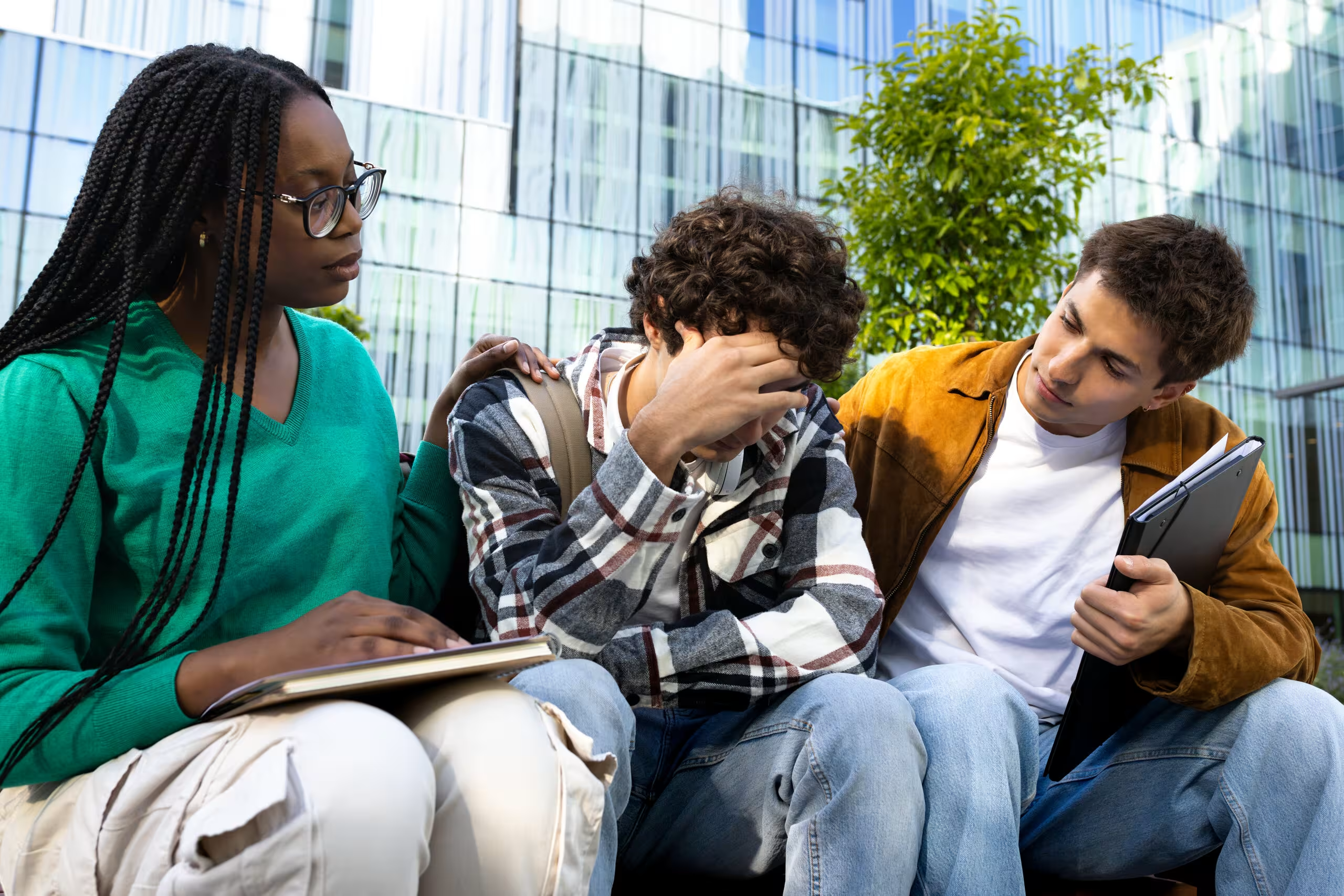
Do you ever feel crushed after one small comment? Do you think about a tiny mistake for days? Do you worry people secretly dislike you?
That may be rejection sensitive dysphoria, or RSD.
What is it?
RSD is when real or imagined rejection, criticism, or failure feels extremely painful. A small thing can feel like a huge attack on your worth.
Why does this happen?
Many kids and teens with ADHD:
- Hear more corrections.
- Have more social misunderstandings.
- Feel like they are “always in trouble.”
Over time, the brain becomes extra sensitive to anything that looks or feels like rejection.
What can I do?
Notice and name RSD.
“This might be my rejection sensitivity talking.”
Check the story.
This is called Cognitive Behavior Therapy. Ask yourself:
“What did they actually say?”
“What am I telling myself it means?”
Build a comfort plan.
Talk to someone you trust, listen to music, use a weighted blanket, draw, or write your feelings down.
Separate your worth from the moment.
A bad grade is feedback on a piece of work, not proof that you are bad. One rough interaction doesn’t erase your value.
If RSD is very intense or constant, talking to a therapist or counselor who understands ADHD can help.
Fun Fact!
A striking fact is that for individuals with ADHD and Rejection Sensitive Dysphoria (RSD), the emotional pain of perceived rejection can be so intense that it feels like physical pain.